
Pickle’s Rescue and Loss
Happiness for BeginnersPickle moves from an abused stray to Helen’s difficult, beloved companion, then becomes the catalyst for a moment of renewed closeness between Helen and Duncan.
increasing Bearing strength in each event
 decreasing
Bearing strength in each eventdecreasingThe Dog at the Post
The Dog at the Post
An unexpected rescue
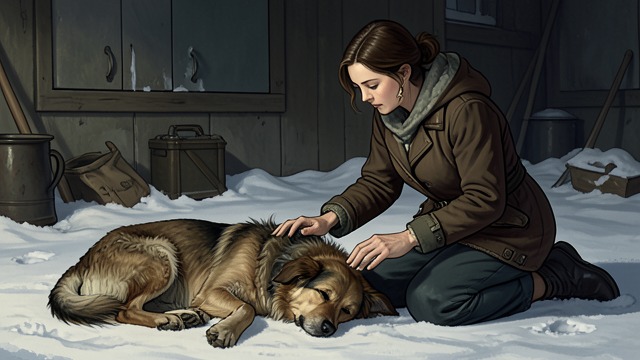
Helen has nearly committed to adopting a different dog when she finds Pickle abandoned outside her building. Pickle is injured, flea-ridden, and so depleted that she barely responds.
Helen takes her to a veterinarian and pays for treatment rather than leave the dog to suffer. The choice turns Pickle from a stranger in need into Helen’s responsibility.
Love without convenience
Pickle is not the fluffy, sociable pet Helen had imagined. Their bond begins through an act of care that does not depend on the animal being easy to love.
A Defensive Companion
A Defensive Companion
A difficult household
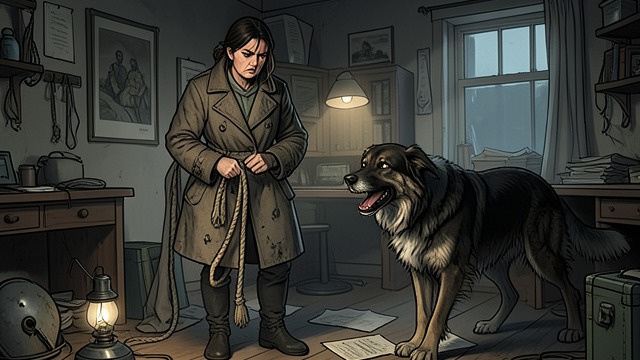
As Pickle recovers, she becomes aggressive toward people and other dogs, chews household objects, and requires careful management. Helen’s hoped-for route into a community of dog owners instead makes her life more isolating.
Windy suggests that Pickle’s aggression may reflect earlier trauma and a learned expectation of danger. The explanation invites Helen to see the dog’s hostility as protection, not simply bad character.
A parallel in trust
Helen already loves Pickle despite her behavior. That imperfect attachment echoes the possibility of connection even when fear and old defenses remain.
Leaving Pickle in Care
Leaving Pickle in Care
A painful handoff
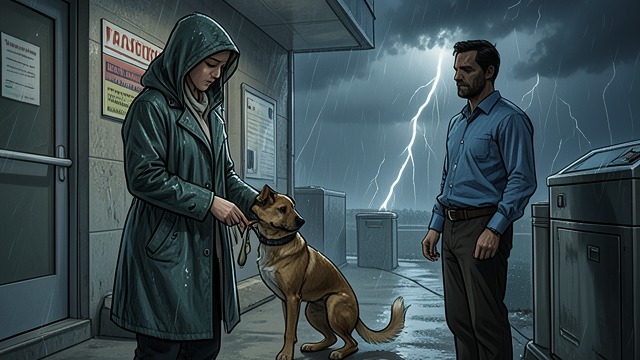
After Duncan fails to follow the plan, Helen takes Pickle to the veterinarian for boarding before beginning her trip. Pickle hates the clinic, and Helen briefly wonders whether she should have trusted Duncan after all.
Helen decides that professional care is safer than the possibility that Duncan will forget to feed or protect the dog. The choice expresses Helen’s need to control a situation she cannot fully control.
Separation and worry
Pickle’s absence accompanies Helen into the wilderness. The dog remains a measure of the home and daily life that Helen has left behind.
The Final Illness
The Final Illness
Duncan tries again
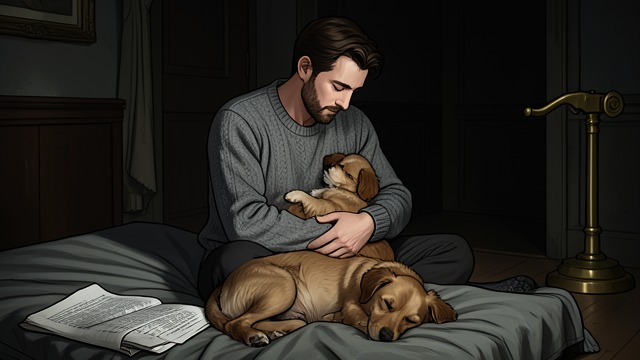
Duncan has taken Pickle home and cared for her while Helen is away, hoping to show that he can come through. When Pickle develops a life-threatening stomach condition, he hurries her back to the veterinary clinic.
He cannot save her. Pickle dies in his arms, leaving Duncan to face both the loss and the likelihood that Helen will blame him for changing the care arrangement.
An irreversible outcome
Duncan’s good intentions cannot undo the risk of taking Pickle from boarding. The tragedy brings love, responsibility, and failure into painful contact.
A Burial in the Garden
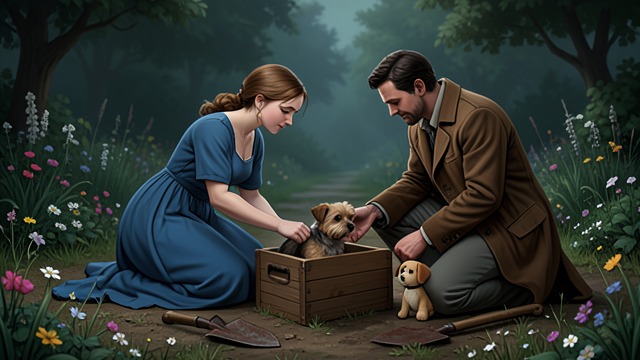
A Burial in the Garden
A shared farewell
Helen and Duncan bury Pickle in Grandma GiGi’s backyard beside their childhood dog. Their sorrow is immediate and personal, and the ritual gives them a way to honor a companion they both loved.
Helen’s anger gives way when she understands that Pickle mattered to Duncan, too. They grieve together rather than returning to their old roles of accuser and failure.
Love remains
Pickle’s death cannot be repaired, but the loss changes what Helen sees in her brother. The dog who once helped Helen endure loneliness also helps the siblings find common ground.
Several months before the novel’s opening
The year before Helen joins the course
The morning Helen departs for the course
Five days before Duncan tells Helen
The evening before the bar mitzvah
